
European Elegance
Casino de Monte-Carlo: A Guide to the Classic Rooms
How the Monte-Carlo rooms are arranged, what the dress code demands and what entry involves.
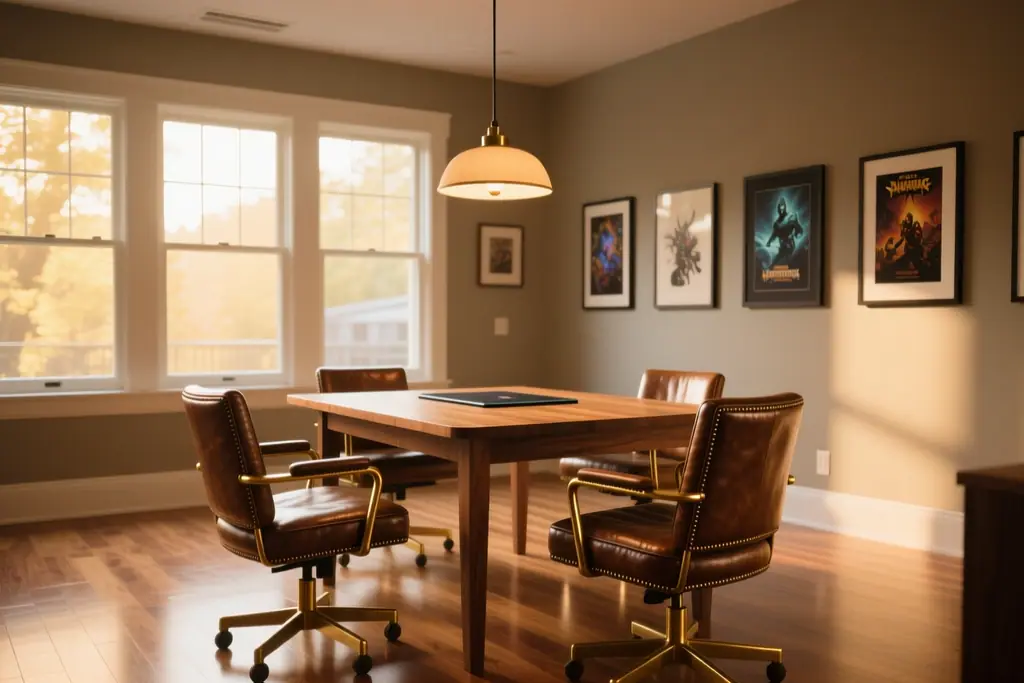
A private salon is a different room rather than a bigger table, and a personal dealer changes more than the pace of play. Behind the public floor, elite venues keep space for guests who want privacy, tailored service and a game run around them. This article explains how a private salon is arranged, what a dedicated dealer changes, how tempo and the number of decisions per hour shift, and what etiquette still applies. Access and limits are set by the operator, so confirm the current terms before you book anything.
A private salon is a room separated from the main floor, often with its own entrance, staff and service. It may hold a single table, or a small number arranged for one group. The point is control: who enters, who plays and how the session unfolds. That control is why such rooms are arranged in advance rather than simply entered.
The games played in a salon are often the same ones available outside. Roulette, cards and the traditional table games do not change because the walls do. What changes is the setting around them, and that setting is what guests are choosing. The house still runs the game; it simply does so in private.
A personal dealer runs one table for one group rather than moving between players. That focuses attention and allows the pace to be adjusted to the guests in the room. The dealer follows the house rules exactly, and the difference is in tempo and attention rather than in the odds.
Because the dealer stays with the table, small signals are noticed and small questions are answered quickly. Guests who want explanation can ask, while guests who want silence get it. The dealer's role is to keep the game correct and comfortable, and the operator defines both.
The single biggest practical change in a private room is speed. A dedicated dealer can move faster when the group wants, or slow down when the stakes are high and the decisions deserve thought. Over an hour that produces a different number of hands or spins than a busy public table would.
Guests often underestimate how much tempo matters to the outcome of a session. More decisions per hour means more exposure to the house edge, while a slower game spreads the same bankroll over a longer evening. Neither pace changes the underlying maths, but both change how a session feels and how quickly it develops.
Limits in a salon are agreed with the house rather than read from a public sign. They can be set higher than the main floor, and they are usually confirmed before the session begins. The operator decides what it will accept and can decline an arrangement that does not suit it.
Never assume a private room means unlimited play. The agreed range protects both the guest and the house, and it keeps expectations clear. Ask what the minimum and maximum are for the games you intend to play, and get the answer before the first bet.
Service in a private room is continuous and unobtrusive. Drinks, timing and any requests are handled without interrupting play, and the staff assigned to the room stay close. The aim is to remove friction so the guests can focus on the game.
That level of attention is part of what a salon costs, whether it is charged openly or reflected in the terms of play. Guests should ask how service is accounted for so there is no confusion later. Clarity at the start protects the atmosphere the room is built to provide.
| Item | Question for the operator |
|---|---|
| Booking | How the room is reserved, and how far in advance |
| Limits | What minimums and maximums apply per game |
| Dealer | Whether a dedicated dealer is included |
| Service | What is included and what is billed separately |
Privacy relaxes the setting, not the standards. The usual etiquette of the floor continues to apply: respect the dealer, keep the game moving and let the house manage the room. Guests who treat a private salon as a place where rules are suspended are usually corrected quietly.
Discretion runs in both directions. The room protects the guests, and guests are expected to protect the room by keeping its business private. Photography and recording are commonly restricted, and phones are usually managed by the staff. Follow the house's guidance rather than testing its patience.
Confirm the access route, the age and identification requirements and the terms of the room in writing where possible. Ask who to contact on arrival and how the limits will be recorded. A short exchange before the evening avoids nearly every misunderstanding.
Private gaming is adult entertainment for guests aged 18 and over, and the operator sets every condition, from entry to limits. Confirm the current terms with the operator and treat the arrangement as a contract rather than a favour. That is how a private session stays calm from beginning to end.
Other guides from European Elegance.
How the Monte-Carlo rooms are arranged, what the dress code demands and what entry involves.
Why London club rooms stay small, how membership works and what high-limit play looks like.
Identification, membership and dress requirements in elite European rooms.