
European Elegance
Mayfair Gaming Rooms: Discretion as a Business Model
Why London club rooms stay small, how membership works and what high-limit play looks like.
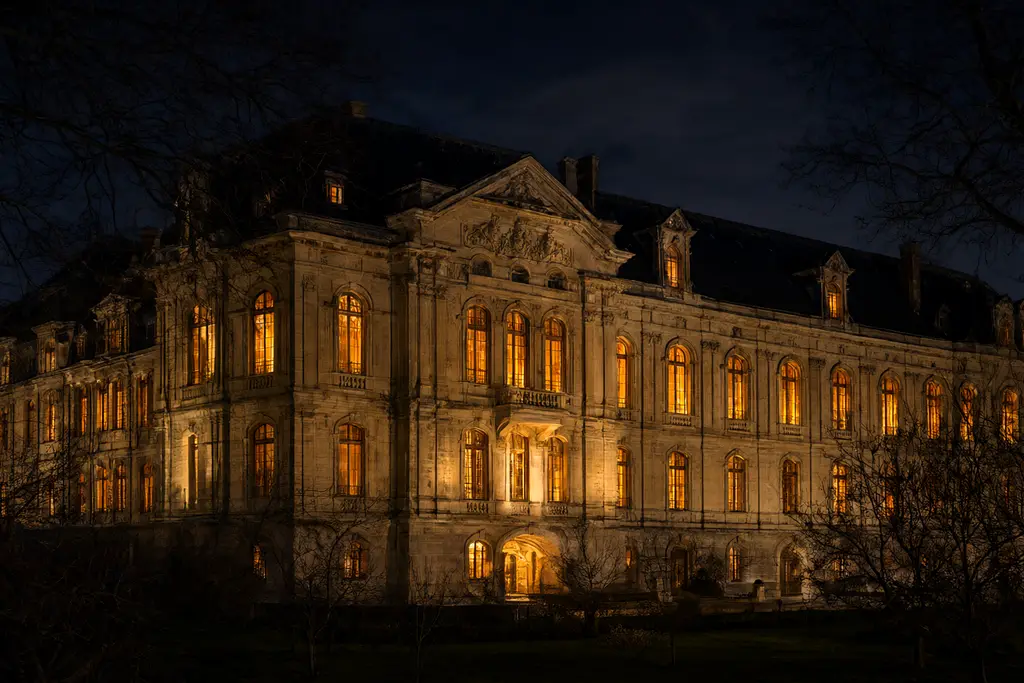
Casino de Monte-Carlo is the reference point for anyone who wants to understand how a heritage gaming house works. The building sits at the heart of the principality, and its rooms carry a formality that most modern casinos have long since dropped. This guide looks at how the classic rooms are arranged, what the dress code asks of guests and what entry actually involves. Nothing here is a promise of a result, and the operator alone sets the rules, the limits and the conditions of access.
A classic European casino is organised around a sequence of rooms rather than a single open floor. Guests move from an entrance hall into reception, then into the main playing rooms and, for some, on to quieter salons at the back. Each transition tends to raise the level of formality and often the level of play. The result is a building that reveals itself slowly, which is part of why the experience feels formal.
The playing rooms themselves are laid out for circulation as much as for the tables. Dealers stand on clearly marked positions, and pit staff watch both the tables and the room. Seating around each table is limited, and staff will direct guests to a free place rather than let them choose at random. Understanding that layout makes arrival far less intimidating.
Entry to a heritage room typically begins with a document check, and photo identification is the normal requirement. Some venues also ask for registration or membership, and the precise conditions vary from one establishment to another. Age rules are strict and universally applied at the door. Because these requirements are set by the operator, confirm the current terms before you travel rather than assuming last year's rules still hold.
The person at the door is checking compliance, not judging taste. A calm, straightforward interaction, with documents ready and questions answered briefly, moves far faster than any attempt to negotiate. Guests who arrive without the required identification are usually turned away regardless of how they are dressed or how much they intend to play. That single point explains most of the frustration people report at entrances.
The classic rooms lean toward a tidy, formal standard rather than passing fashion. For men that generally means a jacket, and in the more traditional rooms a tie as well. For women, smart attire that matches the setting is the expectation. Sportswear, beachwear and heavily casual clothing are commonly refused, and the intention is atmosphere rather than exclusion for its own sake.
The safest approach is to dress slightly above what you expect to need. A jacket that turns out to be unnecessary is a minor inconvenience, while being turned away at the door costs the whole evening. If you are unsure, ask the venue in advance what its current standard is. Requirements can tighten for gala periods and relax in quieter ones.
Classic rooms favour the traditional table games, and the pace is measured rather than brisk. A spin of roulette or a round of cards takes as long as the dealer and the table allow, and the rhythm settles once the table is full. Regulars are used to that tempo, while newcomers sometimes mistake patience for delay.
Table minimums and maximums are posted, and they differ between the open rooms and the more private ones. Staff will explain the posted limits if you ask before sitting down. Never assume that a table will accept a stake simply because a neighbouring one does. The operator decides those boundaries and can change them.
Behind the public rooms, heritage houses usually keep smaller salons for guests who want privacy. Access to these areas is arranged rather than simply requested, and the conditions come from the operator. The atmosphere changes: fewer tables, quieter staff and a service style built around a small number of guests.
Playing in such a room is less about the games, which may be identical, and more about the setting. Conversations stay private, movement is reduced and the pace is set with the guests rather than by the room. Guests who value discretion usually find that the salon, not the game, is the real reason to be there.
| Area | What to confirm with the operator |
|---|---|
| Entry | Identification, membership and registration requirements |
| Dress | Current standard for the rooms you plan to visit |
| Play | Posted table minimums and maximums |
| Privacy | Whether a private salon can be arranged, and on what terms |
The classic rooms reward preparation and punish assumption. Knowing how the building is arranged, what the door will ask and how the tables behave turns a potentially stressful evening into a straightforward one. The elegance of the setting is real, but so are the rules that protect it.
Treat access, dress and limits as questions to be answered in advance, not surprises to be absorbed at the entrance. Above all, remember that this is adult entertainment for guests aged 18 and over, and that the operator defines every condition. Confirm the current terms with the operator before you play, and let the evening be about the experience rather than the logistics.
Other guides from European Elegance.
Why London club rooms stay small, how membership works and what high-limit play looks like.
What a private salon changes — limits, pace, service and the etiquette that still applies.
Identification, membership and dress requirements in elite European rooms.