
European Elegance
Casino de Monte-Carlo: A Guide to the Classic Rooms
How the Monte-Carlo rooms are arranged, what the dress code demands and what entry involves.
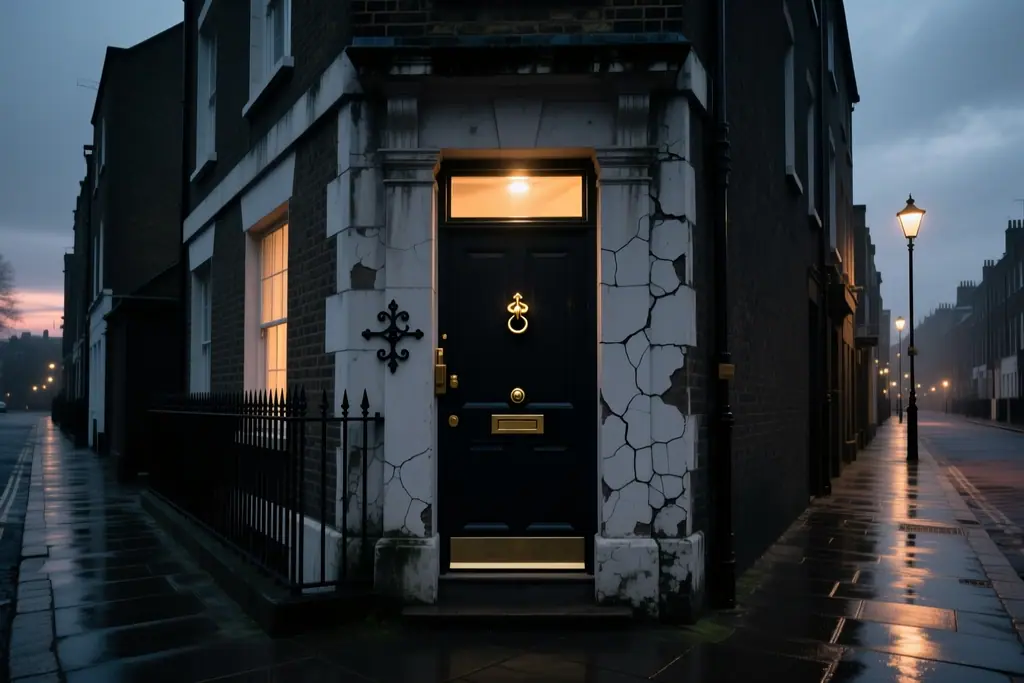
Mayfair gaming rooms are deliberately small, and that scale is not a limitation but the product. A London club room competes on privacy, membership and continuity rather than on the size of its floor. This article examines why the rooms stay intimate, how membership and access are handled and what high-limit play looks like inside a club. Access, limits and dress are always set by the operator, so treat everything here as a framework to confirm rather than a fixed promise.
A club room does not need to move large numbers of players to be profitable. It needs a stable set of members who return, value discretion and accept the house's terms. Fewer guests at higher stakes produce a quieter room and a service level that a busy public floor cannot match. That is the trade the club is selling.
Small scale also makes control easier. Staff can recognise regulars, monitor the room closely and keep the atmosphere consistent from one visit to the next. The operator can adjust limits and availability without disrupting a crowd, because there is no crowd to disrupt. Discretion is embedded in the operating model, not added later as a courtesy.
Most London club rooms operate on membership, invitation or registration rather than open admission. The exact route varies, and some venues accept enquiries while others work only through existing members. Age and identification checks apply at the door in every case. Because each operator writes its own rules, confirm the current requirements directly before you plan a visit.
Membership is usually about accountability as much as exclusivity. A named member is known to the house, which supports both security and service. Guests who arrive hoping to talk their way past reception generally find that the door is simply following a policy. The practical path is to ask first and arrive prepared.
Discretion in a club room is a set of practical rules rather than marketing language. Photography is commonly restricted or refused, and staff are trained to avoid drawing attention to individual guests. Conversations stay inside the room, and the layout is arranged to give tables breathing space.
For players who value privacy, those rules are the main reason to choose a club over a larger venue. The games may be the same, but the environment is not. Guests should respect the same discretion they benefit from, which means keeping their own recording devices away and treating what happens in the room as private.
High-limit play in a club is defined by the table rather than by the building. Limits are set per table and per game, and they can differ sharply between the open area and the private rooms. The pace is usually unhurried, with decisions made calmly rather than quickly. Guests who have never played at these levels often find the tempo the biggest adjustment.
Service at this level becomes proactive: staff anticipate rather than wait to be asked. Drinks, seating and timing are handled quietly, and the room is kept free of unnecessary movement. None of that changes the house's edge or the underlying odds, and no amount of service should be mistaken for an advantage.
| Element | What it means for guests |
|---|---|
| Access | Membership, invitation or registration set by the operator |
| Room size | Deliberately small, with fewer tables and closer service |
| Privacy | Limited photography, with staff avoiding attention to guests |
| Limits | Set per table and per game, confirmed with the house |
The staff in a club room are usually long-serving, and that continuity matters. They learn how regulars prefer to be greeted, how they play and when they want to be left alone. That accumulated knowledge is difficult for a larger venue to replicate.
For guests, continuity cuts both ways. It produces smoother visits, but it also means the house knows its players well and applies its rules consistently. There is no advantage in trying to negotiate the room's standards at the table. The better approach is to ask the staff how the room works and then follow it.
Before any visit, confirm the access route, the dress code, the age and identification rules and the limits that apply to the games you intend to play. Ask whether a private room is available and on what terms. Also ask how the venue handles arrival, since some clubs require prior notice.
This is adult entertainment for guests aged 18 and over, and responsibility for the terms rests with the operator. Confirm the current terms with the operator rather than relying on reputation or an old account. A short enquiry before you travel removes almost every avoidable surprise.
Mayfair's rooms sell restraint. The quiet, the small scale and the membership model are the experience, and they suit players who prefer discretion to spectacle. Guests who understand that will get the most from a visit.
The rules that surround the room exist to protect that atmosphere, and they are not negotiable on the night. Prepare, ask and treat the standards as part of the appeal. Confirm the current terms with the operator, and let the room do what it was designed to do.
Other guides from European Elegance.
How the Monte-Carlo rooms are arranged, what the dress code demands and what entry involves.
What a private salon changes — limits, pace, service and the etiquette that still applies.
Identification, membership and dress requirements in elite European rooms.