
VIP News
Booking Season for VIP Salons: What Changes
How peak periods affect limits, service availability and entry requirements.
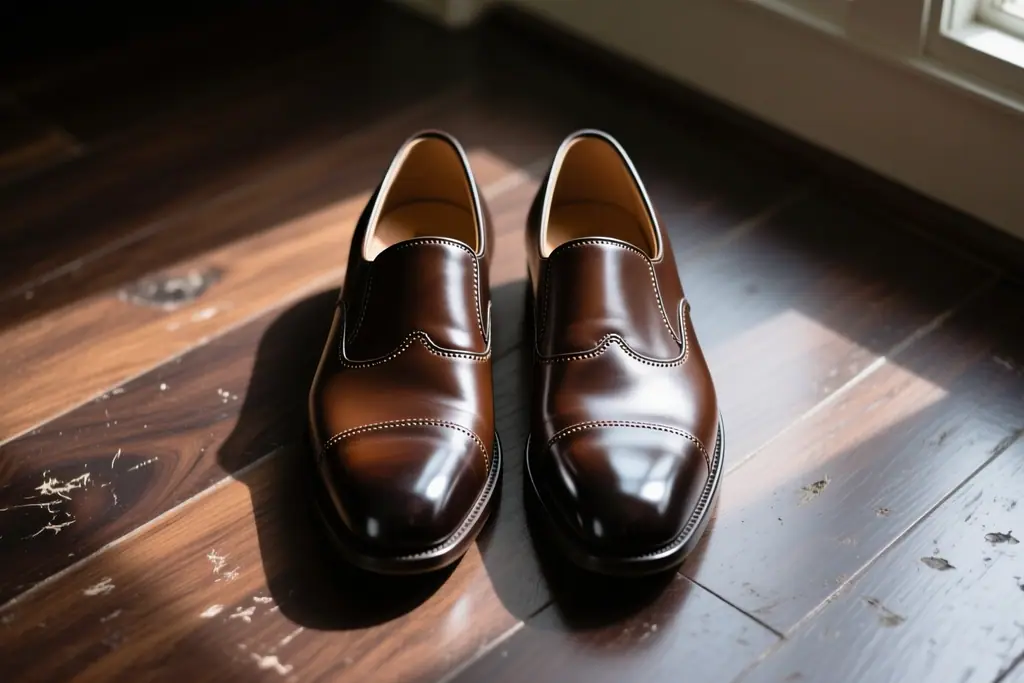
Dress and etiquette at elite gaming venues change slowly, but they do change. Expectations that once felt universal now vary between cities, between rooms in the same property and between the early and late hours of the same evening. For members and regular guests, that means the safe habit is no longer to rely on memory or on how another club behaves. This update looks at what has stayed standard at the door, what venues have adjusted, what it means for the player and what to check before a visit. Entry is for adults only (18+), and the rules and limits are set by the operator.
Some expectations have proved durable across markets. Smart dress remains the baseline for the more formal rooms, identification is still required, and minimum age rules apply everywhere. Behaviour standards — quiet manners at the table, treating staff and other guests with courtesy, and respecting the pace of the room — have not moved.

These constants exist because they support the setting. A formal room depends on guests who dress and behave in keeping with it, and venues protect that standard deliberately. A guest who meets it finds the door straightforward in almost any city.
The clearest shift is toward greater variation. Rather than one standard for an entire property, venues increasingly set expectations room by room, event by event and hour by hour. A smart-casual standard may apply to one area while a stricter one governs another, and a late-night event may differ from the early evening.
Venues have also become more explicit. Instead of leaving the door to interpret an unwritten rule, many now state their expectations in advance, which reduces friction for guests who check. The effect is that preparation matters more than ever: the guest who confirms the current standard avoids a problem the guest who assumes does not.
That greater variation places more weight on the guest's own research. Two rooms in the same property may ask for different things on the same night, and an event can override the usual standard entirely. Treating each visit as its own case, rather than assuming the last one sets the rule, prevents the small misunderstandings that spoil an evening at the door.
The practical meaning is that a single outfit or a single habit may no longer cover every visit. A player who moves between venues, or even between rooms, should treat dress and etiquette as specific to the setting rather than as a fixed personal standard. That is not a burden; it is a small piece of planning that keeps the evening smooth.
It also means the door deserves respect as part of the format. Access control is not an obstacle but a way of maintaining the atmosphere that guests come for. Understanding that frames the checks as part of the experience rather than as friction.
There is also a practical courtesy involved. Meeting a room's expectations shows respect for the other guests and for the staff who keep the standard, and it is usually returned in the quality of the welcome. Etiquette at this level is less about rules than about recognising the setting you have chosen to enter.
Because expectations vary and can change with programming, a short set of confirmations is worth the effort.
Beyond the stated code, a room communicates its expectations through its own signals. The formality of the setting, the way staff are dressed and the behaviour of other guests all indicate the standard in practice. A guest who reads those signals adapts quickly.
The table below frames how the same visit can call for different choices depending on the setting.
| Setting | Usual expectation | Practical step |
|---|---|---|
| Formal salon | Smart, reserved | Confirm standard in advance |
| Mixed lounge area | Smart casual | Check the room's own rule |
| Late evening event | Often stricter | Ask before the night |
Dress and etiquette at elite venues are best treated as local and current rather than general and remembered. Standards have stayed firm on the essentials — identification, minimum age, courtesy, smart presentation — while varying more in the details, so the reliable habit is simply to ask. A quick check with the venue before travelling resolves almost every question in advance.
That habit also keeps the guest focused on the evening rather than on the door. Anyone planning a visit should confirm current dress, entry and etiquette rules directly with the operator, since the operator sets the rules and limits and may update them. Entry is 18+, and play should remain measured and within a budget set in advance.
Other guides from VIP News.
How peak periods affect limits, service availability and entry requirements.
What new high-limit areas offer and how to read their limit structure.
Rooms, credit and service: what comps cover and what they do not.