
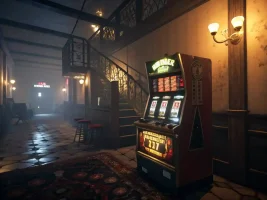
The relationship between gambling and horror has become impossible to ignore in modern gaming culture. Slot machines once relied on bright fruit symbols, cheerful jingles, and harmless casino glamour. Today, many developers deliberately borrow visual language from survival horror games: flickering lights, distorted faces, psychological tension, abandoned hospitals, cursed dolls, demonic creatures, and soundtracks designed to make players uneasy instead of relaxed. This shift is not accidental. Horror creates emotional intensity, and intensity keeps attention locked on the screen.
The transformation says a lot about how gambling entertainment has evolved over the last decade. Players are harder to surprise, online casinos compete aggressively for attention, and developers understand that emotional stimulation is more valuable than comfort. Fear, anxiety, suspense, and anticipation all activate the same psychological mechanisms that make gambling addictive in the first place. The closer a slot feels to a tense horror game, the more memorable the experience becomes.
What makes this trend fascinating is that horror gambling games are no longer niche experiments. They are becoming one of the most recognizable themes in online casinos, especially among younger audiences who grew up with franchises like Resident Evil, Silent Hill, Dead Space, Outlast, and Five Nights at Freddy’s. The line between casino entertainment and interactive horror storytelling keeps getting thinner.
Why horror works so well in gambling
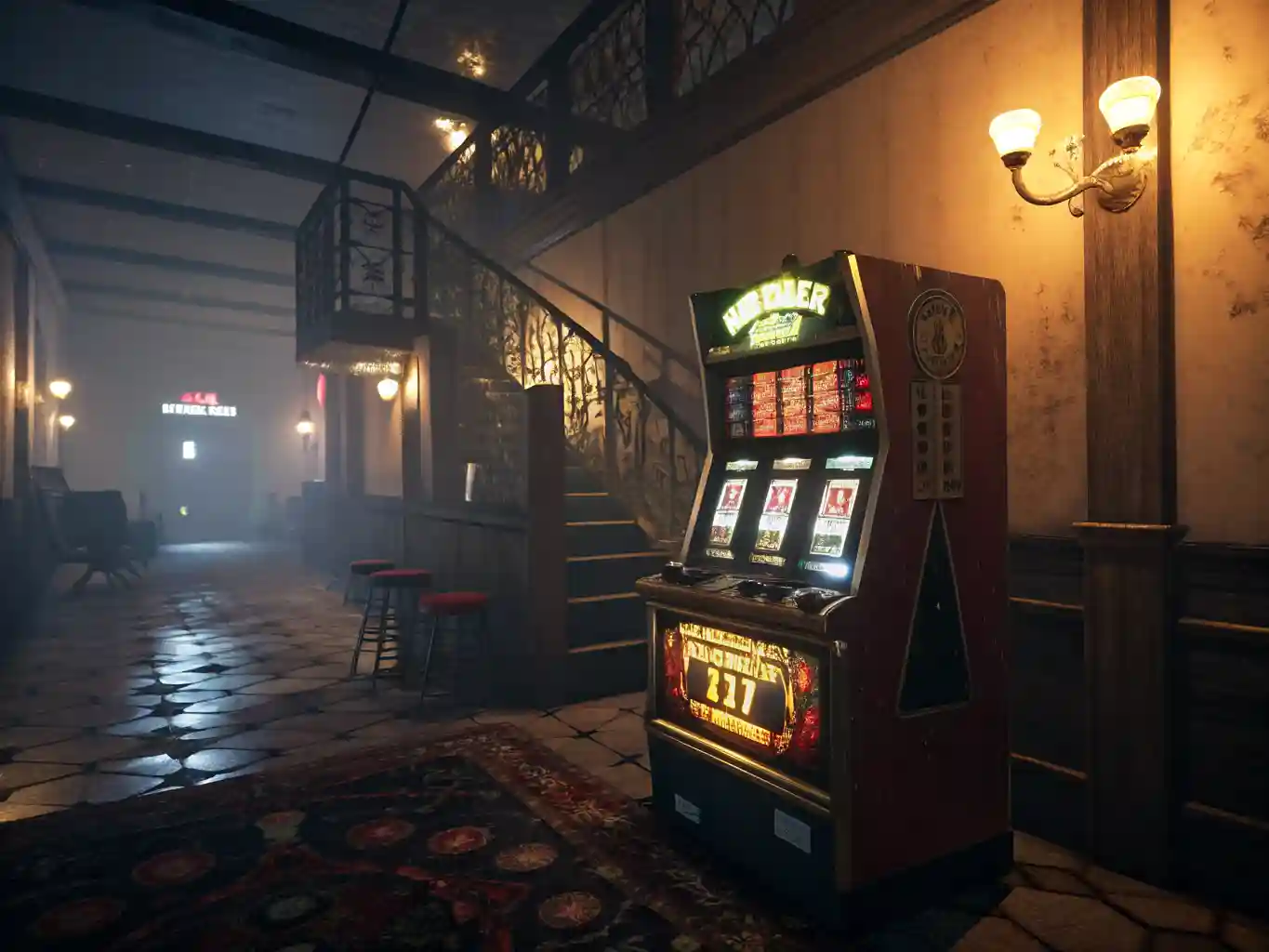
Classic casino design focused on comfort and stimulation. Traditional slot machines used warm colors, repetitive melodies, and familiar symbols to create a sense of safety. Online gambling changed the rules because digital platforms are not limited by physical casino traditions. Developers suddenly had freedom to experiment with darker aesthetics, cinematic sound design, and aggressive emotional pacing.
Horror works particularly well because gambling already contains natural tension. Every spin involves uncertainty, anticipation, and emotional risk. Survival horror games are built around almost identical feelings. The player never fully knows what comes next, danger feels close, and the atmosphere constantly pressures the nervous system. Slot designers realized they could merge these experiences together.
A horror-themed slot does not simply show scary imagery. The mechanics themselves often mimic horror pacing. Spins become slower. Music builds suspense before bonus rounds. Symbols appear suddenly with disturbing animations. Some games even use fake jump scares or screen distortions to imitate horror gameplay. The player is not just chasing a payout anymore; they are emotionally trapped inside a miniature horror experience.
Several psychological elements make this especially effective:
• Fear increases adrenaline and emotional engagement.
• Suspense keeps players focused for longer sessions.
• Dark aesthetics feel more immersive than generic casino themes.
• Horror creates memorable emotional peaks tied to rewards.
• Survival tension amplifies the excitement of winning moments.
The strongest horror slots understand that atmosphere matters more than monsters. A zombie graphic alone is not enough. Developers carefully design sound, timing, lighting effects, and pacing to maintain constant unease. That approach comes directly from survival horror game design.
Another reason horror thrives in gambling is demographic overlap. Many online casino players are also gamers. Younger audiences are comfortable with darker entertainment, and horror gaming has become one of the most successful genres in streaming culture. Watching people react emotionally to fear is entertaining, which makes horror-themed slots highly shareable on Twitch, YouTube, and TikTok.
How survival horror mechanics influence slot design
Modern horror slots borrow much more from video games than most players realize. Developers increasingly structure bonus features and progression systems like simplified survival horror experiences rather than traditional casino mechanics.
One major influence is environmental storytelling. Survival horror games rarely explain everything directly. Instead, they create mystery through atmosphere. Horror slots now do the same thing. Instead of simple reels with random icons, players encounter abandoned mansions, cursed forests, haunted carnivals, or underground laboratories that gradually reveal hidden details through animations and bonus rounds.
Some games introduce pseudo-narrative progression. A player may unlock new visual states after triggering certain features, almost like moving through levels in a horror game. This creates a stronger emotional attachment because the session feels like a journey rather than repetitive spinning.
Sound design has become especially important. Older slot machines used celebratory audio loops meant to encourage relaxation. Horror slots intentionally use uncomfortable ambient sounds: distant whispers, metallic echoes, heartbeat effects, radio static, or distorted music. These techniques are directly inspired by franchises like Silent Hill and Dead Space, where audio tension is often more frightening than visuals.
Another survival horror influence appears in resource tension. Horror games constantly balance danger and reward. Players feel vulnerable but motivated to continue. Horror slots recreate that emotional rhythm through volatile payout systems. Large wins become rare but dramatic, surrounded by long stretches of suspenseful buildup. The uncertainty feels more emotionally intense than in standard slots.
The visual presentation has also evolved dramatically. Developers now use cinematic lighting and advanced animation rather than static symbols. Monsters move across the screen, backgrounds react dynamically, and bonus rounds resemble short horror cutscenes. In some cases, the slot interface itself appears corrupted or unstable, mimicking psychological horror effects used in games like Eternal Darkness or Layers of Fear.
The growing sophistication of these mechanics can be seen clearly when comparing different horror-themed gambling games.
| Game | Horror Style | Main Influence | Notable Features |
|---|---|---|---|
| House of Doom | Demonic survival horror | Doom-like atmosphere | Heavy metal soundtrack, occult imagery |
| Blood Suckers | Gothic vampire horror | Classic horror cinema | Dark castles, blood-themed bonus rounds |
| Mental | Psychological horror | Silent Hill-inspired tension | Disturbing hospital setting, unstable visuals |
| Halloween Fortune | Slasher horror | 1980s horror films | Masked killer aesthetic, suspense animations |
| Zombie Carnival | Apocalyptic horror | Zombie survival games | Chaotic visuals, undead-themed free spins |
These examples show how varied the horror gambling genre has become. Some titles lean toward campy entertainment, while others deliberately aim for psychological discomfort. The most successful games combine strong visual identity with carefully controlled emotional pacing.
The popularity of these mechanics reveals something larger about online gambling culture. Players no longer want purely passive entertainment. They want emotional immersion, even if that immersion feels stressful or disturbing.
The rise of psychological horror in casino games
Early horror slots relied heavily on clichés. Developers used vampires, skeletons, zombies, or haunted houses because those themes were instantly recognizable. Over time, audiences became more sophisticated. Players who grew up with advanced horror games and psychological thrillers expected something deeper than generic Halloween imagery.
That shift pushed gambling developers toward psychological horror. Instead of focusing entirely on monsters, many newer slots emphasize paranoia, distorted reality, and emotional discomfort. The goal is not simply to scare the player but to create lingering tension.
Psychological horror works exceptionally well in digital gambling because online slots already isolate the player. Unlike physical casinos filled with noise and people, online gambling often happens alone, in dark rooms, with headphones on and full-screen visuals. Developers understand how intimate that environment can become.
Games like Mental illustrate this transition clearly. Rather than using traditional horror creatures, the game builds tension through unsettling environments, damaged medical equipment, eerie soundscapes, and sudden visual distortions. The player feels trapped inside a collapsing psychological space. That sensation resembles survival horror gaming far more than classic casino entertainment.
This approach creates stronger emotional immersion because uncertainty becomes constant. Players are not merely waiting for winning combinations. They are emotionally anticipating what disturbing visual or audio element might appear next.
Psychological horror slots often use techniques borrowed directly from cinema and gaming:
• Sudden silence before major events.
• Audio glitches and distorted voices.
• Flickering screens and unstable visuals.
• Symbol transformations that feel unpredictable.
• Slow-building tension instead of constant stimulation.
Interestingly, these mechanics mirror gambling psychology itself. Gambling depends heavily on emotional unpredictability. The player never fully knows when rewards will appear. Psychological horror amplifies that instability and transforms it into part of the entertainment experience.
There is also a commercial reason for the rise of darker themes. Online casinos compete in a crowded market where visual identity matters enormously. Generic fantasy or fruit slots disappear instantly among thousands of alternatives. Horror themes stand out immediately. A disturbing thumbnail or eerie soundtrack creates curiosity faster than another conventional treasure-hunt slot.
Streaming culture accelerated this trend even further. Horror content performs extremely well on social media because viewers enjoy watching emotional reactions. A frightening slot bonus round is more entertaining to watch than ordinary casino gameplay. Developers increasingly design games with spectator appeal in mind.
Why younger players are drawn to horror-themed slots
The growing popularity of horror gambling games reflects a generational change in entertainment preferences. Younger audiences consume media differently from older casino players. They grew up with immersive gaming, online streaming, dark fantasy aesthetics, and interactive horror experiences. Traditional casino glamour often feels outdated to them.
Modern players are also more accustomed to emotional intensity in entertainment. Horror films, survival games, true crime documentaries, and psychological thrillers dominate streaming platforms. Fear has become a mainstream form of entertainment rather than a niche genre.
Online gambling developers noticed this shift quickly. Horror slots speak the same visual language as modern gaming culture. Neon darkness, cinematic effects, corrupted interfaces, grotesque creatures, and oppressive atmospheres feel familiar to audiences raised on survival horror franchises.
Another important factor is identity. Many younger players prefer entertainment that feels edgy, unconventional, or emotionally intense. Horror themes provide stronger personal branding than traditional casino imagery. A player sharing a demonic horror slot on social media appears more connected to gaming culture than someone posting a classic fruit machine.
The crossover between gaming and gambling has also become increasingly blurred. Loot boxes, battle passes, randomized rewards, and monetized progression systems already introduced gambling-like mechanics into mainstream gaming. Horror slots simply extend that crossover further by adopting recognizable survival horror aesthetics.
The social side matters as well. Horror experiences generate conversation because emotional reactions are memorable. Players discuss frightening animations, strange bonus rounds, or unsettling audio moments more enthusiastically than generic wins. The horror theme itself becomes part of the entertainment value.
At the same time, there is a darker side to this trend. Survival horror mechanics are designed to manipulate emotional attention very effectively. When combined with gambling systems, they can create highly immersive experiences that encourage longer sessions. The emotional stress and reward cycle becomes extremely powerful.
This does not mean horror slots are uniquely dangerous compared to other gambling products, but they demonstrate how advanced casino design has become. Developers increasingly think like game studios rather than traditional gambling companies. They study immersion, emotional pacing, cinematic tension, and behavioral psychology with remarkable sophistication.
The future of horror gambling games
The horror gambling genre is likely only at the beginning of its evolution. As technology improves, horror-themed slots will probably become more interactive, cinematic, and psychologically immersive.
Virtual reality could transform this category completely. A VR horror casino experience would allow players to walk through haunted environments, interact with slot machines physically, and experience environmental scares in real time. The emotional intensity of that combination could be dramatically stronger than current online slots.
Artificial intelligence may also play a role in personalization. Future horror gambling games could dynamically adjust music, pacing, or visual effects based on player behavior. If a system detects declining engagement, it might increase tension levels automatically to maintain attention.
Narrative integration will probably expand as well. Instead of isolated spins, future games may feature branching horror stories, evolving environments, or persistent progression systems similar to roguelike survival games. Players could unlock new areas, enemies, or narrative fragments over multiple sessions.
Another likely trend is crossover branding. Horror franchises from film and gaming already influence slot aesthetics, but official collaborations may become more common. It is easy to imagine licensed slots based on Resident Evil, Saw, The Conjuring, or Dead by Daylight. These brands already possess built-in emotional recognition and loyal fan communities.
At the same time, regulators may begin paying closer attention to emotionally manipulative design techniques. The gambling industry has historically focused on mathematical fairness and payout transparency, but immersive psychological design raises additional ethical questions. Horror-based emotional stimulation could become part of broader debates about responsible gambling.
What makes this evolution particularly interesting is how it reflects broader entertainment culture. Fear is no longer treated purely as discomfort. It has become a premium emotional experience that audiences actively seek out. Gambling platforms are simply adapting to that demand.
The result is a strange hybrid genre where casino mechanics, survival horror design, streaming culture, and psychological storytelling all merge together. A modern horror slot is not just a gambling product anymore. In many ways, it behaves like a compressed interactive horror game designed around emotional volatility.
Conclusion
Horror gambling games reveal how dramatically online casinos have changed. The industry no longer depends only on bright visuals and repetitive reward systems. Developers now build emotional experiences designed to feel immersive, cinematic, and psychologically intense.
The influence of survival horror games is visible everywhere: atmospheric sound design, oppressive environments, narrative progression, visual instability, and carefully controlled tension. These mechanics transform ordinary spinning into something closer to interactive suspense.
For players, the appeal is obvious. Horror creates adrenaline, unpredictability, and emotional immersion that traditional slots often lack. For developers, the genre offers strong visual identity and deeper engagement in an increasingly competitive market.
The most fascinating aspect of this trend is how naturally gambling and horror fit together. Both rely on uncertainty, anticipation, emotional risk, and the constant possibility of sudden reward or punishment. Once developers recognized that connection, the rise of horror-themed slots became almost inevitable.
As technology continues evolving, horror gambling experiences will likely become even darker, more cinematic, and more psychologically sophisticated. The slot machine is no longer just a casino device. In many cases, it has become a miniature survival horror experience built around fear itself.