
Luxury travel has changed dramatically over the past two decades. It is no longer defined only by five-star hotels, private beaches, tasting menus, designer boutiques, and discreet service. Modern premium tourism is built around complete experiences, where accommodation, entertainment, gastronomy, wellness, nightlife, shopping, culture, and personal service come together in one polished journey. Casinos have become one of the strongest symbols of this shift.
For many travelers, a casino is no longer just a place to gamble. It can be the heart of a resort, the reason to choose a destination, or an elegant addition to a wider travel plan. The best casino resorts now compete not only with other gaming venues, but also with luxury hotels, private clubs, concert halls, fine dining districts, and lifestyle destinations. They sell atmosphere, status, convenience, exclusivity, and emotion.
This is why casinos have become an important part of premium tourism. They offer a rare combination of risk, ritual, design, hospitality, and spectacle. A guest can arrive for a weekend break and find a suite, spa, chef-led restaurant, boutique shopping, live performance, private gaming room, concierge service, and late-night lounge without leaving the resort. For high-end travelers, that kind of seamless experience is often more attractive than simply visiting a standalone attraction.
The new role of casinos in luxury tourism
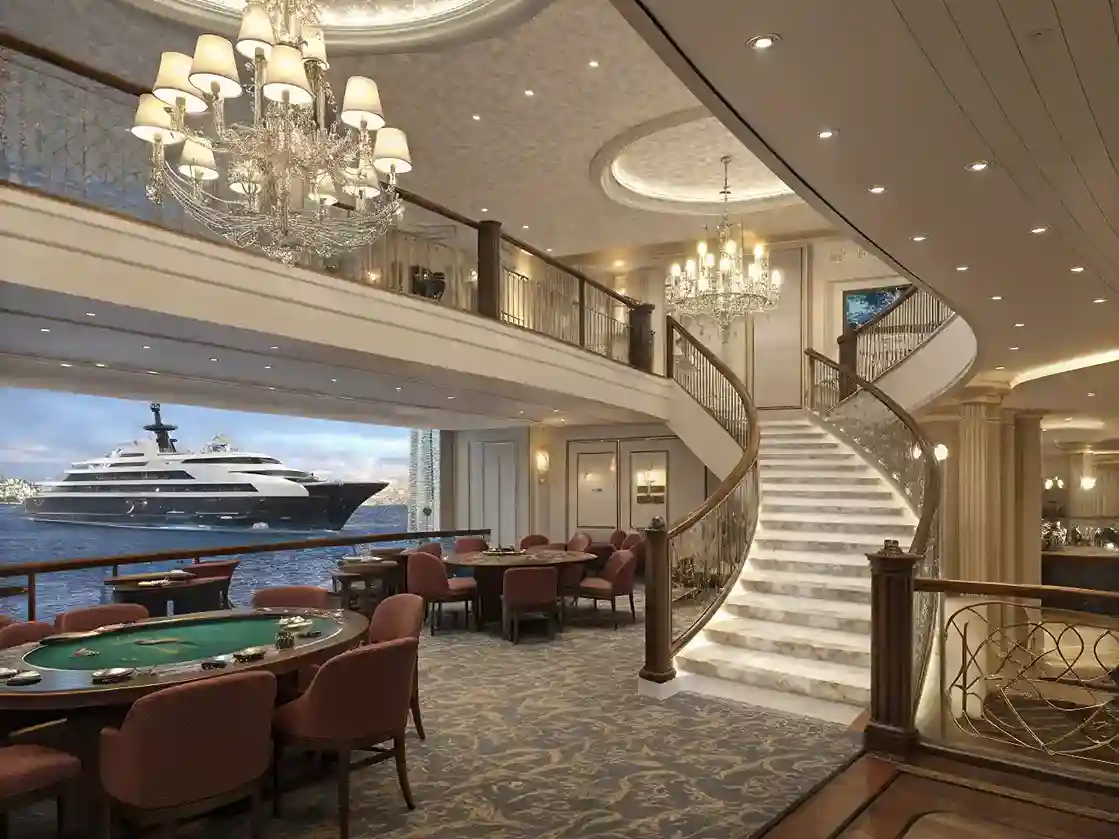
The old image of casinos was built around gaming floors, bright lights, roulette wheels, card tables, and slot machines. That image still exists, but it no longer tells the full story. Premium casino destinations have become complex hospitality ecosystems. Their business model is no longer based only on gambling revenue. Luxury accommodation, events, restaurants, shopping, wellness, entertainment, and private services now play a central role.
This change reflects the behavior of modern wealthy travelers. Many of them do not want a one-dimensional trip. They want variety without friction. They want privacy when they need it, spectacle when they seek it, and personal attention throughout the journey. A luxury casino resort can answer all of these needs because it brings many high-value services into one controlled environment.
The gaming floor remains important, but it often functions as only one part of the guest experience. A couple may book a suite because the property has a famous spa. A group of friends may choose a resort because it hosts major concerts or boxing events. A business traveler may stay because the property combines conference facilities, restaurants, and discreet entertainment. A player may come for private tables, but stay because the whole resort makes the trip feel effortless.
The strongest casino destinations understand that premium tourists are not all the same. Some guests are passionate players who care about table limits, private salons, loyalty programs, and personalized gaming service. Others may spend little time gambling, but enjoy the glamour of the environment. They are attracted by architecture, nightlife, cuisine, shopping, and the feeling of being inside a place where something is always happening.
This flexibility is one of the reasons casinos fit so naturally into luxury travel. They can serve different travel motives at once. A casino resort can be romantic, social, exclusive, energetic, discreet, or theatrical depending on how the guest chooses to use it. That makes it more adaptable than many traditional luxury formats.
Premium tourism also depends heavily on memory. Travelers want a story to bring home, not just a room key and a receipt. Casinos create stories by design. A dramatic win, a private dinner, a show, a midnight cocktail, a carefully staged lobby, or a view over a famous skyline can become the emotional center of the trip. Even guests who do not gamble seriously often remember the atmosphere because it feels cinematic.
Why high-end travelers are drawn to casino resorts
Luxury travelers are often looking for control and surprise at the same time. They want every practical detail handled smoothly, but they also want moments that feel exciting and unscripted. Casino resorts are especially good at balancing these two desires. The service structure is controlled, but the mood is alive.
A premium casino resort can remove many common travel frustrations. Guests do not need to search for restaurants across the city, arrange late-night transport, book several separate venues, or worry about whether entertainment will match the level of the hotel. Everything is nearby, curated, and usually available late into the evening. For travelers with limited time, this convenience has real value.
At the same time, casinos offer energy that many luxury hotels struggle to create. Traditional resorts can feel quiet, beautiful, and restful, but sometimes predictable. Casinos bring movement. There is sound, tension, celebration, conversation, and visual drama. That sense of controlled intensity gives premium travel a sharper edge.
High-end travelers are also drawn to the social dimension. A casino resort can function like a stage where people dress well, meet others, attend events, dine in public, and enjoy being part of an elegant crowd. This matters because luxury is not only about comfort. It is also about belonging to a certain world, even temporarily.
The appeal becomes clearer when looking at what premium guests usually expect from a casino resort:
• Elegant accommodation with spacious rooms, suites, views, and refined interior design.
• Strong dining options, often including celebrity chefs, tasting menus, wine programs, and private rooms.
• Entertainment that feels destination-worthy, from concerts and shows to sports events and exclusive parties.
• A gaming environment that offers both public excitement and private discretion.
• Wellness, spa, pool, and leisure facilities that make the resort attractive beyond the casino floor.
• Personal service, including concierge support, transfers, reservations, and tailored guest attention.
These elements work best when they feel connected rather than simply placed side by side. A guest should be able to move from a spa appointment to dinner, from dinner to a show, from a show to a lounge, and from a lounge to a gaming room without feeling that the experience has been interrupted. The smoother this flow becomes, the more luxurious the property feels.
Another important factor is time. Luxury travelers often value their time more than almost anything else. A resort that brings many premium experiences together saves decision-making energy. Instead of planning every hour, guests can let the property shape the evening. That ease is part of the product.
Casinos also appeal because they add a sense of adult play. Many luxury experiences are built around refinement, but casinos add suspense. There is a ritual in placing a bet, watching cards turn, hearing the roulette ball move, or joining a private table. Even when the financial stakes are modest for the guest, the emotional stakes can feel vivid. That is difficult to replicate in ordinary hospitality.
How casino resorts build premium experiences
The best casino resorts do not rely on gaming alone. They design a full world around the guest. Every detail matters: arrival, scent, lighting, staff movement, room layout, restaurant mix, music, signage, privacy, and the transition between spaces. Luxury in this environment is not accidental. It is engineered.
Arrival is especially important. A premium guest forms an impression before reaching the gaming floor. Valet service, reception speed, lobby scale, art, floral design, and staff confidence all shape the emotional tone. A resort that wants to attract high-end travelers must make the guest feel expected, not processed.
Accommodation is another key layer. Casino hotels once treated rooms mainly as support for gaming. Today, luxury casino resorts often treat rooms and suites as core attractions. Large bathrooms, panoramic views, private terraces, butler service, high-quality bedding, curated minibars, smart controls, and quiet design help balance the energy of the casino below. The room becomes a retreat from the spectacle.
Dining has become one of the strongest tools for attracting premium tourists. Many travelers choose casino resorts because the restaurant offering is unusually concentrated. A single property or integrated resort can include fine dining, casual luxury, international cuisine, late-night venues, wine cellars, chef collaborations, and private dining spaces. This allows the resort to serve many moods: celebration, business, romance, group travel, and quiet indulgence.
Entertainment gives casino resorts their destination power. Shows, concerts, comedy, sporting events, club nights, art exhibitions, and seasonal festivals turn the property into a reason for travel. A guest may not fly to a city only to gamble, but they may fly for a major performance, stay at the attached resort, dine there, and spend time in the casino as part of the wider trip.
The relationship between gaming and hospitality can be seen through several layers of the guest journey.
| Luxury element | How it supports casino tourism | Why it matters to premium guests |
|---|---|---|
| Suites and villas | Extends the trip beyond the gaming floor | Creates privacy, comfort, and a reason to stay longer |
| Fine dining | Turns the resort into a culinary destination | Makes the visit attractive to non-gaming companions |
| Private gaming salons | Offers discretion and tailored service | Protects privacy and raises the feeling of exclusivity |
| Spa and wellness | Balances nightlife and gaming energy | Helps the resort feel complete, not only entertainment-driven |
| Designer retail | Adds lifestyle value to the destination | Encourages longer stays and higher overall spending |
| Live entertainment | Creates travel-worthy moments | Gives guests a reason to plan trips around the property |
| Concierge service | Connects all parts of the journey | Reduces friction and makes the experience feel personal |
This mix explains why premium casino resorts can attract a wider audience than traditional gaming halls. A guest who enjoys gambling can find a high-level gaming experience, while companions who are not interested in gaming still have plenty to enjoy. That is essential for luxury travel, where trips are often taken by couples, families, groups, or business partners with different preferences.
Design also plays a major role. The visual identity of a casino resort must create drama without becoming exhausting. The most successful properties understand contrast. Public spaces may feel grand, bright, and theatrical, while guest rooms, spas, and private lounges feel calm and controlled. This rhythm keeps the experience enjoyable over several days.
Service is where the premium promise is either confirmed or broken. Luxury travelers notice whether staff remember preferences, handle requests quickly, solve problems quietly, and avoid making guests repeat information. In casino resorts, this is even more important because the environment is complex. Guests may move between hotel, restaurant, gaming, transport, entertainment, and retail services in one evening. The property must feel like one organism, not a collection of departments.
Destination cities shaped by casino culture
Casino tourism can influence entire cities, not only individual resorts. Places such as Las Vegas, Macau, Monaco, Singapore, and parts of the Caribbean have shown how gaming can become part of a wider destination identity. Each location does this differently, but the pattern is clear: casinos can help shape how travelers imagine a place.
Las Vegas is the most obvious example. It transformed the casino resort into a full entertainment model. The city is not only about gambling; it is about scale, shows, nightlife, food, architecture, conventions, sports, shopping, and constant reinvention. Its luxury segment has grown strongly because it understands that premium travelers want both spectacle and comfort. A visitor can spend the day at a pool club, dine at a world-class restaurant, attend a major event, and gamble late at night without leaving the Strip.
Macau offers a different version of casino-led tourism. Its appeal combines large integrated resorts, Chinese and Portuguese heritage, luxury retail, fine dining, and high-end gaming. For many visitors, the casino resort is part of a broader mix that includes culture, shopping, and gastronomy. The premium segment is shaped by privacy, service, and the ability to host guests who expect a very high level of attention.
Monaco represents a more classical relationship between casinos and luxury travel. The casino is tied to old-world glamour, yachts, grand hotels, formal evenings, and the prestige of the French Riviera. Here the casino is not only an entertainment venue. It is part of a social image built around elegance, wealth, and tradition. The experience feels less like a mega-resort and more like a historic ritual of European luxury.
Singapore shows how casino tourism can work inside a highly controlled, modern city destination. Integrated resorts there are connected with architecture, business travel, shopping, dining, family attractions, and international events. The casino is important, but the wider resort experience is designed to appeal to global travelers who may be visiting for business, leisure, or a combination of both.
Other destinations use casinos in more selective ways. Some island resorts combine gaming with beaches, golf, marinas, and private villas. Some mountain or spa destinations use casinos as evening entertainment after outdoor activities. Some cruise lines include casinos as part of a floating luxury experience. In each case, the casino adds nightlife, revenue, and a sense of occasion.
The destination effect is powerful because casinos can extend the travel day. In many cities, tourism activity slows after dinner unless there is strong nightlife. Casino resorts keep the evening alive. They create late-night options that feel safer, more polished, and more contained than searching through unfamiliar streets. For premium travelers, that matters.
Still, casino-led tourism must be carefully managed. A destination that depends too heavily on gambling can become narrow. The strongest places build around diversity: culture, food, events, wellness, architecture, shopping, and natural attractions. Casinos work best when they enhance the destination rather than replace it.
The business of exclusivity and loyalty
Luxury casino tourism is strongly connected to loyalty. High-value guests are not treated as anonymous visitors. Resorts invest heavily in understanding their preferences, rewarding their spending, and encouraging return visits. This applies to gaming customers, hotel guests, restaurant clients, event attendees, and premium lifestyle travelers.
Loyalty programs in casino resorts often go beyond simple points. They may include room upgrades, dining credits, priority reservations, invitations to private events, airport transfers, personal hosts, and access to restricted spaces. For major players, the relationship can become highly personalized. The guest may have a casino host who arranges the trip, manages preferences, and ensures that the stay feels smooth from arrival to departure.
This level of service creates emotional attachment. A wealthy traveler can book many beautiful hotels, but a resort that remembers details can feel more valuable than a property with slightly better design. Personal recognition is one of the strongest currencies in luxury hospitality.
Exclusivity also appears through private gaming spaces. These rooms are important because they allow guests to enjoy the casino experience without the exposure of the main floor. Privacy, security, tailored limits, dedicated staff, and a calmer atmosphere can make gaming feel more refined. For some premium guests, discretion is not a luxury extra; it is a requirement.
The same principle applies beyond gaming. Private dining rooms, members-only lounges, invitation-only events, reserved pool areas, luxury transfers, and curated shopping experiences all help the guest feel separated from the general crowd. This separation must be handled carefully. If it feels too obvious, it can seem cold or artificial. If it feels natural, it becomes part of the charm.
There is also a strong business travel dimension. Casino resorts often host conferences, corporate retreats, product launches, and incentive trips. For companies, these properties are attractive because they combine meeting infrastructure with entertainment. Guests can work during the day and enjoy restaurants, shows, and nightlife in the evening. That makes casino resorts useful for both leisure and professional travel.
The financial model benefits from this variety. A premium guest may spend across many areas: hotel, gaming, food, drinks, spa, retail, events, transport, and private services. This broad spending profile makes luxury casino tourism resilient. Even when gaming behavior changes, the property can generate value through hospitality and lifestyle services.
Yet exclusivity must be balanced with responsibility. Premium service should not encourage reckless behavior. Serious casino resorts increasingly understand that long-term trust matters more than short-term gain. Clear rules, responsible gaming tools, staff awareness, and transparent guest communication are essential. Luxury should never mean pressure. It should mean control, comfort, and informed choice.
Risks, responsibility and the future of premium casino travel
The connection between casinos and luxury travel is powerful, but it also carries risks. Gambling can create harm when guests lose control, chase losses, or treat chance as a strategy. Premium surroundings can soften the perception of risk because the environment feels elegant and secure. That makes responsible gaming especially important in luxury casino tourism.
A polished resort must be honest about what a casino is. Games are entertainment with financial risk, not a reliable way to make money. The atmosphere may be glamorous, but the mathematics of gambling still apply. Guests should see gaming as one part of the trip, not the purpose that defines the entire journey.
Responsible luxury means giving guests a high-quality experience without hiding the limits of play. This can include visible information, self-exclusion options, spending limits, trained staff, and a culture where stepping away from the table feels normal. The best resorts do not need to push guests into uncomfortable behavior. Their value comes from the full experience, not only from the amount wagered.
The future of premium casino travel will likely be shaped by several trends. Wellness will become more important as travelers seek balance. Fine dining will remain a major attraction, especially when resorts create original concepts rather than simply renting famous names. Entertainment will become more immersive, with live shows, sports, art, and technology turning resorts into event platforms.
Technology will also influence the experience, but luxury travelers will not accept technology that feels cold. Digital check-in, personalized offers, smart rooms, app-based reservations, and cashless payments can improve the journey when they remove friction. They should not replace human service where personal attention matters. In luxury hospitality, the best technology is often invisible.
Sustainability will become harder to ignore. Large casino resorts consume energy, water, food, and materials at significant scale. Premium travelers are increasingly aware of environmental impact, even when they still expect comfort. Resorts that invest in efficient buildings, waste reduction, responsible sourcing, and local partnerships will have a stronger long-term position.
The meaning of luxury itself is also changing. Some travelers still want maximum display: grand suites, famous restaurants, rare wines, and highly visible status. Others want privacy, authenticity, wellness, space, and cultural depth. Casino resorts will need to serve both groups without becoming confused. The strongest properties will be those that combine glamour with substance.
Casino tourism may also become more integrated with surrounding destinations. Instead of keeping guests inside the resort at all times, premium properties can offer curated access to local culture, private tours, regional cuisine, art, nature, and events. This creates a richer travel experience and helps the casino feel connected to the place rather than detached from it.
The future belongs to casino resorts that understand one simple truth: high-end travelers are not buying gambling alone. They are buying mood, comfort, status, service, memory, and choice. Gaming can be a thrilling part of that package, but it works best when surrounded by hospitality that respects the guest’s time, taste, and intelligence.
Conclusion
Casinos have become part of premium tourism because they offer something few travel formats can match: a complete world of entertainment, comfort, suspense, and service. A strong casino resort can turn a simple trip into a layered experience where dining, nightlife, wellness, shopping, events, and gaming support one another.
The most successful properties no longer present themselves as places where people only come to play. They act as luxury destinations with gaming at their core, but not as their only identity. This broader approach attracts couples, groups, business travelers, lifestyle tourists, and serious players alike.
The future of casino travel will depend on balance. Resorts must preserve the excitement that makes casinos special while building responsible, elegant, and meaningful experiences around them. When that balance is achieved, the casino becomes more than a gaming venue. It becomes a stage for premium travel, where risk, pleasure, design, and hospitality meet in one memorable journey.